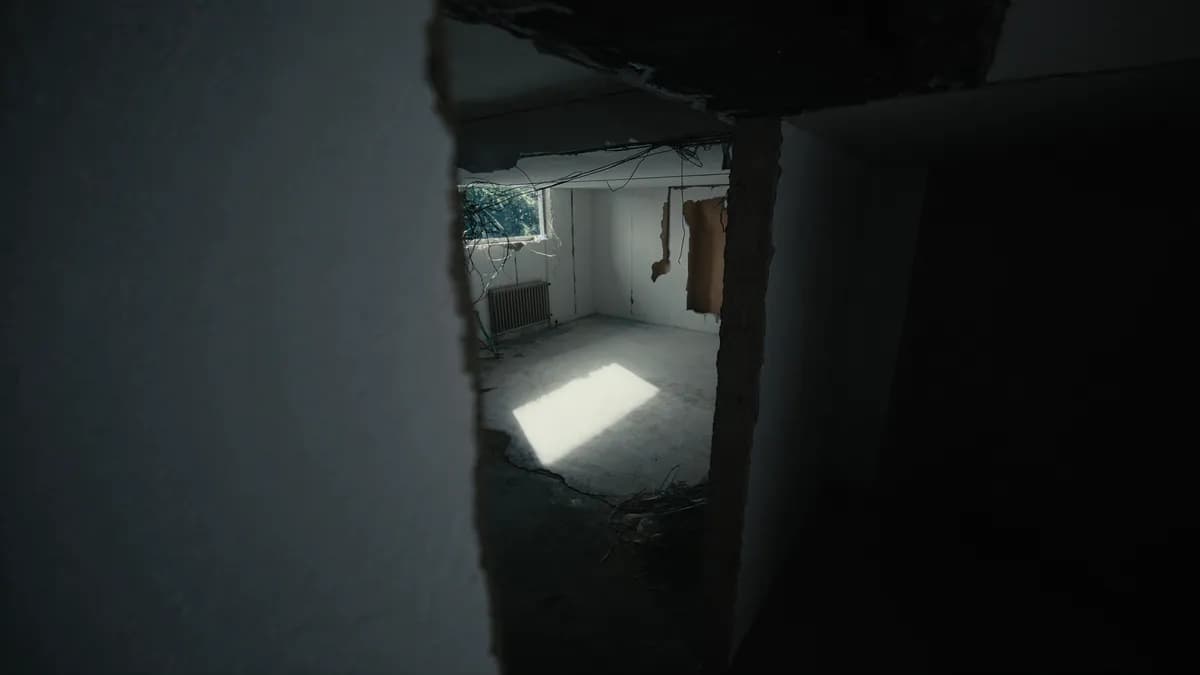
Proven Tenant Rights: 7 Essential Housing Laws for 2026
As we move into 2026, it's crucial for tenants to stay informed about their rights and the laws that govern housing. This year brings significant changes aimed at enhancing tenant protections and ensuring housing stability. Below, we delve into seven essential housing laws that every tenant should be aware of to safeguard their rights and navigate the rental market effectively.
1. Enhanced Security Deposit Regulations
One of the most significant changes in 2026 is the enhancement of security deposit regulations. Landlords are now required to provide a detailed receipt for the security deposit and must return it within 30 days of lease termination. This law aims to prevent landlords from unjustly withholding deposits and ensures transparency in the rental process.
2. Rent Control Measures
In response to the ongoing housing crisis, several states have implemented stricter rent control measures. These laws limit the amount by which landlords can increase rent annually, providing tenants with greater financial predictability. Tenants should familiarize themselves with the specific rent control laws in their area, as they can vary significantly.
3. Right to Counsel in Eviction Proceedings
A groundbreaking law that took effect in 2026 is the right to legal counsel for tenants facing eviction. This law ensures that tenants have access to legal representation during eviction proceedings, leveling the playing field against landlords who often have more resources. This right is crucial for protecting tenants from wrongful evictions and ensuring fair treatment in the legal system.
4. Anti-Discrimination Protections
New anti-discrimination laws have been enacted to protect tenants from unfair treatment based on race, gender, sexual orientation, and disability. These laws require landlords to adhere to strict guidelines when screening tenants and prohibit discriminatory practices in housing. Tenants should be aware of their rights and report any instances of discrimination to the appropriate authorities.
5. Improved Maintenance and Repair Standards
Tenants now have enhanced rights regarding the maintenance and repair of their rental units. Landlords are legally obligated to address repair requests within a specified timeframe, ensuring that tenants live in safe and habitable conditions. This law empowers tenants to demand necessary repairs without fear of retaliation from their landlords.
6. Increased Transparency in Lease Agreements
In 2026, lease agreements must now be more transparent, with landlords required to disclose all fees and terms clearly. This includes any potential charges for late payments, maintenance fees, and other costs that may arise during the tenancy. This law aims to eliminate hidden fees and ensure that tenants fully understand their financial obligations before signing a lease.
7. Tenant Organizing Rights
Finally, new laws have been introduced to protect tenants' rights to organize and advocate for their interests. This includes the right to form tenant unions and engage in collective bargaining with landlords. These protections empower tenants to voice their concerns and negotiate better terms for their housing.
What This Means for Tenants
The changes in housing laws for 2026 represent a significant step forward in tenant rights and protections. By understanding these laws, tenants can better advocate for themselves and ensure their housing stability. It is essential for tenants to stay informed and proactive in their rights, especially in a rapidly changing housing landscape.
Key Takeaways
- Stay informed about your tenant rights to navigate the rental market effectively.
- Know the new security deposit regulations and ensure compliance from landlords.
- Understand your rights under rent control measures specific to your area.
- Utilize the right to counsel if facing eviction to protect your interests.
- Be aware of anti-discrimination protections and report violations promptly.
- Request timely maintenance and repairs to ensure safe living conditions.
- Review lease agreements carefully for transparency regarding fees and terms.
- Engage in tenant organizing to advocate for better housing conditions.
Conclusion
As we navigate through 2026, the landscape of tenant rights is evolving. These essential housing laws are designed to protect tenants and promote fair housing practices. By staying informed and understanding these changes, tenants can secure their rights and enjoy a more stable living environment. If you have questions about your rights as a tenant, consider reaching out to local housing advocacy groups or legal resources for assistance.
Frequently Asked Questions (FAQ)
- What are my rights as a tenant? Tenants have rights related to security deposits, eviction protections, and the right to a habitable living environment.
- How can I report discrimination from my landlord? You can report discrimination to local housing authorities or legal aid organizations that specialize in tenant rights.
- What should I do if my landlord refuses to make repairs? Document your requests and consider seeking legal advice or contacting local housing authorities for assistance.
For more information on tenant rights, visit HUD's Fair Housing page for resources and guidance.