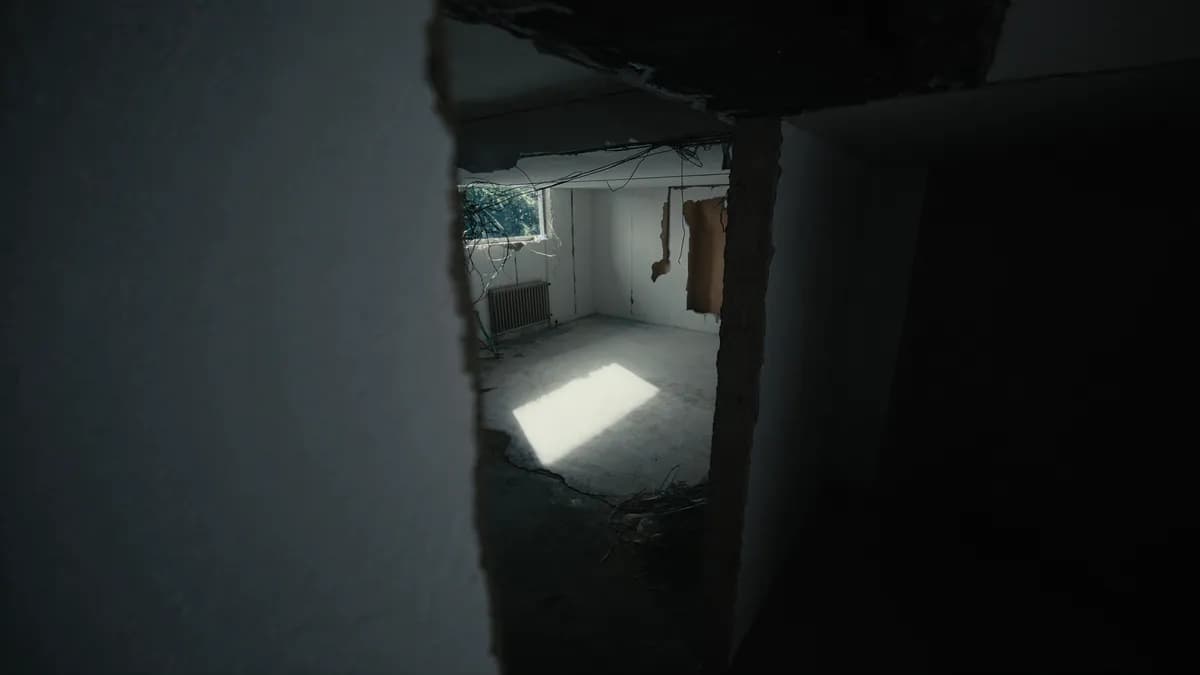
Understanding Professional Squatting: A Growing Concern in Los Angeles
In recent years, Los Angeles has witnessed a troubling trend: professional squatters are taking over homes and demanding exorbitant sums from rightful owners before vacating. This alarming phenomenon raises significant questions about tenant rights, housing policies, and the legal frameworks governing landlord-tenant disputes. As the state grapples with these issues, it is essential to understand the implications of professional squatting and the measures that can be taken to address this growing concern.
The Rise of Professional Squatting
Professional squatting refers to the practice where individuals unlawfully occupy a property with the intent to exploit the situation for financial gain. In many cases, these squatters demand tens of thousands of dollars from property owners in exchange for vacating the premises. This practice has become increasingly prevalent in Los Angeles, a city known for its high real estate values and housing shortages. Research indicates that the motivations behind professional squatting can vary. Some individuals may find themselves in desperate financial situations, while others may see it as a lucrative opportunity. Regardless of the reasons, the impact on homeowners and the broader community is profound.
Legal Framework: Landlord-Tenant Disputes
In California, the legal system often categorizes disputes between landlords and tenants as civil matters. This classification can complicate the process for homeowners seeking to reclaim their properties. Instead of being recognized as a criminal act, professional squatting is often treated as a landlord-tenant dispute, which can lead to lengthy legal battles. Industry experts note that this legal ambiguity can leave homeowners feeling vulnerable and frustrated.
The Challenges for Homeowners
For homeowners, the challenges posed by professional squatters are numerous:
- Lengthy Eviction Processes: Evicting a squatter can take months, during which homeowners may be responsible for mortgage payments, property taxes, and maintenance costs.
- Legal Fees: Engaging in legal proceedings to reclaim a property can be financially burdensome, often requiring homeowners to hire attorneys and navigate complex legal systems.
- Emotional Toll: The stress of dealing with squatters can take a significant emotional toll on homeowners, who may feel helpless in the face of such exploitation.
The Role of Law Enforcement
Law enforcement agencies in Los Angeles are often caught in a difficult position when it comes to professional squatting. While they are tasked with upholding the law, the nuances of landlord-tenant disputes can limit their ability to intervene effectively. In many cases, officers may advise homeowners to pursue civil remedies rather than taking immediate action against squatters. This can leave homeowners feeling unsupported in their plight.
Community Impact
The rise of professional squatting not only affects individual homeowners but also has broader implications for communities in Los Angeles. Neighborhoods with high rates of squatting can experience:
- Decreased Property Values: Homes that are occupied by squatters can lead to a decline in property values in the surrounding area, impacting the financial well-being of other homeowners.
- Increased Crime Rates: Areas with a high prevalence of squatting may also see an uptick in crime, as abandoned properties can attract criminal activity.
- Strain on Local Resources: Local governments may face increased pressure to address the issues arising from professional squatting, diverting resources from other critical community needs.
Tenant Rights and Protections
While professional squatting is a serious issue, it is essential to recognize that tenant rights and protections exist for legitimate renters. California has robust laws designed to protect tenants from unlawful evictions and ensure fair treatment in rental agreements. However, these protections can sometimes be exploited by individuals looking to take advantage of the system. Homeowners must be aware of their rights to navigate these challenges effectively.
Understanding Your Rights
For both landlords and tenants, understanding rights and responsibilities is crucial. Homeowners should be aware of the following:
- Documentation: Keeping thorough records of property ownership and any rental agreements can help in legal disputes.
- Legal Counsel: Consulting with a real estate attorney can provide guidance on navigating landlord-tenant laws and eviction processes.
- Local Resources: Many local organizations offer resources and support for homeowners facing squatting issues, including legal aid and counseling services.
What Can Be Done?
Addressing the issue of professional squatting requires a multi-faceted approach involving homeowners, lawmakers, and community organizations. Here are some potential solutions:
- Legislative Changes: Advocating for changes in laws that better define and penalize professional squatting can help protect homeowners.
- Community Awareness: Raising awareness about the issue can empower homeowners to take action and seek support.
- Support Services: Providing resources for both homeowners and legitimate tenants can foster a more equitable housing environment.
The Bottom Line
Professional squatting represents a significant challenge for homeowners in Los Angeles, often blurring the lines between legitimate tenant rights and exploitation. Understanding the legal landscape, recognizing the emotional and financial toll on homeowners, and advocating for systemic changes are crucial steps in addressing this growing concern. As the city continues to grapple with housing issues, it is imperative to find solutions that protect both property owners and tenants alike, ensuring a fair and just housing market for all.
Key Takeaways
- Professional squatting is a growing issue in Los Angeles, leading to significant challenges for homeowners.
- The legal classification of these disputes complicates the eviction process for property owners.
- Community awareness and legislative advocacy are essential in addressing the problem effectively.
Frequently Asked Questions (FAQ)
- What is professional squatting? Professional squatting is the unlawful occupation of a property with the intent to exploit the situation for financial gain.
- How can homeowners protect themselves from squatters? Homeowners can protect themselves by keeping thorough documentation, consulting legal counsel, and being aware of local resources.
- What are the legal implications of professional squatting? Professional squatting is often treated as a landlord-tenant dispute, complicating the eviction process for homeowners.
For more information and resources, homeowners are encouraged to visit authoritative sites such as Nolo and California Department of Public Health.