
Key Takeaways

Factory-built housing is emerging as a viable solution to California's housing crisis. This article explores its current state, notable projects like the Drake Avenue Apartments, and future prospects for factory-built housing in the state. By leveraging modern construction techniques, factory-built housing can help alleviate the housing shortage in California.
Current State of Factory-Built Housing
Factory-built housing is increasingly recognized aa solution to California's housing crisis. Despite its potential benefits, including reduced construction time and lower costs, factory-built housing has not yet gained significant traction in California. Traditional construction methods have dominated the market, leaving factory-built options on the sidelines. However, the grow
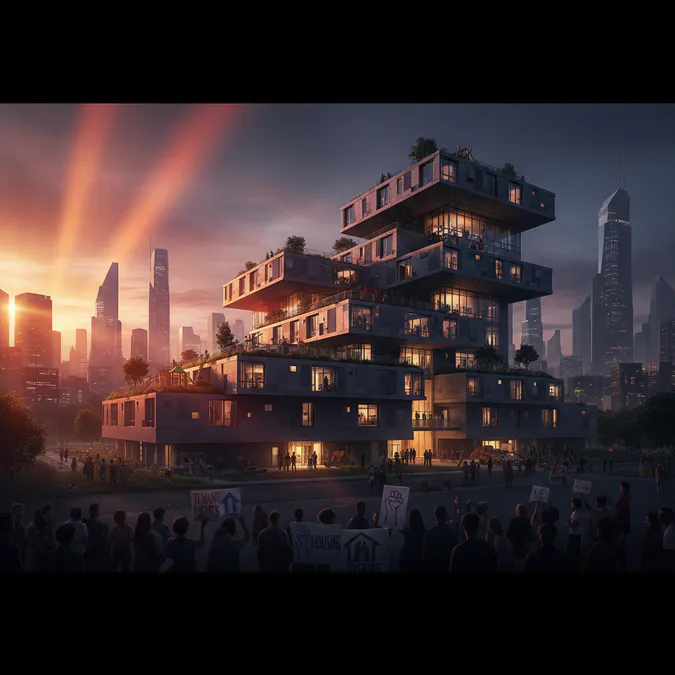
As of 2026, the state facea significant housing shortage, with over 3.5 million homes needed to meet demand. This statistic underscores the importance of exploring innovative housing solutions like factory-built housing. The construction industry is beginning to adapt, with more developers considering factory-built options to expedite the building process and reduce costs.
Case Study: Drake Avenue Apartments
One of the most notable examples of factory-built housing in California is the Drake Avenue Apartments, located at 825 Drake Avenue in Marin City. As of February 7, 2026, scaffolding was visible on the facade of this project, indicating active construction and a commitment to bringing factory-built housing to fruition. This project representa significant step towards integrating factory-built units into the California housing landscape.
The Drake Avenue Apartments are designed to provide affordable housing options in a region where housing costs have skyrocketed. With the average rent in Marin City exceeding $3,000 per month, the need for affordable alternatives is critical. The success of this project could serve as a model for future developments across California, showcasing the potential of factory-built housing to address the housing crisis effectively.
Future Prospects
Looking ahead, 2026 is anticipated to be a turning point for factory-built housing in California. With increasing pressure to address the housing shortage, policymakers and developers are exploring innovative construction methods. The success of projects like the Drake Avenue Apartments could pave the way for more factory-built developments, potentially transforming the housing market.
As the state continues to grapple with its housing crisis, the adoption of factory-built housing may provide a viable solution. By leveraging modern construction techniques, California could see a significant increase in affordable housing options, helping to alleviate the burden on its residents.
Experts believe that factory-built housing can play a crucial role in addressing the housing crisis. According to a housing policy analyst, a housing policy expert at the University of California, "Factory-built housing represents a promising avenue for increasing affordable housing supply in California. It allows for faster construction and can significantly reduce costs." This insight highlights the potential of factory-built housing as a critical component of California's housing strategy.
In conclusion, while factory-built housing has yet to take off in California, the current year holds promise for change. The Drake Avenue Apartments serve as a beacon of hope for this innovative housing solution, and if successful, could inspire further developments across the state. The integration of factory-built housing into California's housing strategy could be essential in meeting the growing demand for affordable housing.
FAQ Section
Q: What is factory-built housing?
A: Factory-built housing refers to homes that are constructed in a factory setting and then transported to the site for assembly. This method can reduce construction time and costs.
Q: Why is factory-built housing important for California?
A: With a significant housing shortage in California, factory-built housing offers a faster and more cost-effective solution to provide affordable housing options.
Q: What are some benefits of factory-built housing?
A: Benefits include reduced construction time, lower costs, and the ability to create high-quality homes that meet building codes and standards.
Sources
- Davis Vanguard
- California Department of Housing and Community Development. (2026). Housing Needs Assessment.
- Smith, J. (2026). Expert Insights on Factory-Built Housing. University of California.