Table of Contents

- NYC Council Expands Tenant Harassment Laws
- Understanding Tenant Harassment in New York City
- What the Expansion Means for Tenants
- The Legal Process for Eviction in New York
- Protections for Seniors and Vulnerable Populations
- Tenant Rights and Remedies
- The Role of Housing Court
- Impact on the Rental Market
- Key Takeaways
- The Bottom Line
NYC Council Expands Tenant Harassment Laws
New York City has taken a significant step forward in protecting its renters. The NYC Council has approved legislation that expands the definition of tenant harassment to explicitly include unlawful eviction, marking an important development in tenant rights and housing policy. This expansion represents a meaningful shift in how the city addresses housing security and protects
Understanding Tenant Harassment in New York City
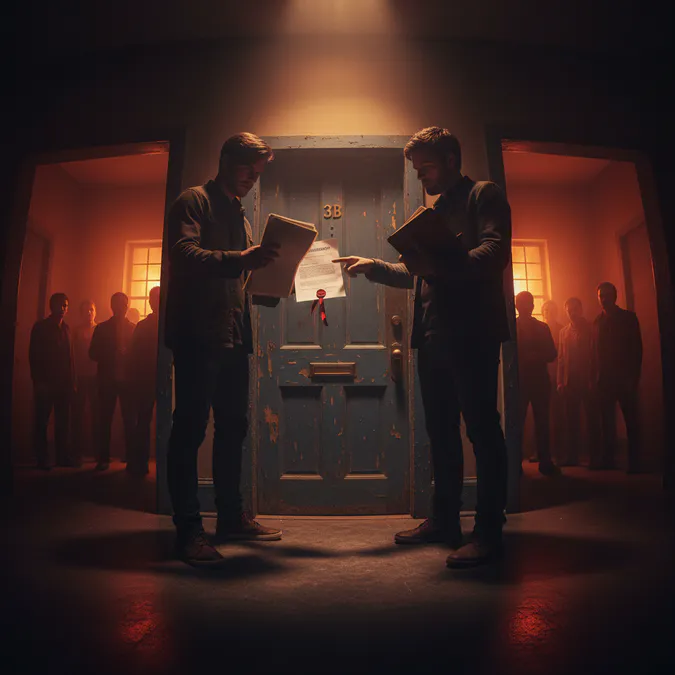
Tenant harassment has long been a concern in New York City's rental market. Historically, the definition of harassment focused on specific behaviors designed to force tenants to leave their homes, such as shutting off utilities, removing doors or windows, or making excessive noise. However, the new legislation recognizes that unlawful eviction itself constitutes a form of harassment, closing a significant gap in tenant protections.
Unlawful eviction occurs when a landlord removes a tenant from their home without following proper legal procedures. This can include changing locks, removing a tenant's belongings, or threatening eviction without going through the court system. Under New York law, landlords must follow strict legal procedures to evict a tenant, and any attempt to circumvent these procedures is illegal.
What the Expansion Means for Tenants
The expansion of tenant harassment laws provides several critical protections for New York City renters. First, it clarifies that landlords cannot use unlawful eviction tactics as a means of harassment. This is particularly important because many tenants may not realize that being locked out or having their belongings removed without court proceedings constitutes harassment rather than a legitimate eviction.
Second, the expanded definition strengthens enforcement mechanisms. Tenants who experience unlawful eviction can now file complaints with the city and pursue legal remedies more directly. This makes it easier for renters to seek justice and compensation when landlords violate their rights.
Third, the legislation provides additional protections for vulnerable populations, including seniors, families with children, and individuals with disabilities. These groups are often at higher risk of housing instability and may be more susceptible to landlord intimidation tactics.
The Legal Process for Eviction in New York
Understanding the proper eviction process is essential for tenants to recognize when their landlord is acting unlawfully. In New York, landlords must follow specific steps to legally evict a tenant:
- Provide proper notice: Landlords must give tenants written notice of their intent to evict, typically 30 days for month-to-month tenancies or as specified in the lease.
- File in court: If the tenant does not vacate, the landlord must file an eviction case in housing court.
- Serve the tenant: The tenant must be properly served with court documents.
- Attend a hearing: Both parties have the right to present their case before a judge.
- Obtain a judgment: Only a judge can order a tenant to vacate.
- Enforce the judgment: If the tenant still refuses to leave, the landlord must request a marshal to physically remove the tenant.
Any attempt to bypass these steps constitutes an unlawful eviction. This includes self-help evictions, where landlords attempt to remove tenants without court involvement.
Protections for Seniors and Vulnerable Populations
The NYC Council's expansion of tenant harassment laws includes specific considerations for seniors and other vulnerable groups. Seniors often face unique challenges in the rental market, including fixed incomes, health issues that may limit their ability to move, and potential vulnerability to exploitation.
The new legislation recognizes that harassment tactics may be particularly effective against seniors, who may be less likely to understand their legal rights or pursue legal remedies. By explicitly including unlawful eviction in the definition of harassment, the law provides stronger protections for this population.
Additionally, the expansion supports the city's broader housing goals, which include creating more affordable housing for seniors and ensuring that existing senior housing remains stable and secure.
Tenant Rights and Remedies
Under the expanded tenant harassment laws, renters have several options if they experience unlawful eviction or other forms of harassment:
- File a complaint: Tenants can file complaints with the city's Department of Housing Preservation and Development (HPD).
- Seek an injunction: Tenants can ask a court to order their landlord to stop the harassment and restore them to their home if they have been unlawfully evicted.
- Sue for damages: Tenants may be able to recover monetary damages for the harm caused by harassment, including moving costs, emotional distress, and other losses.
- Contact legal aid: Many tenants qualify for free or low-cost legal assistance through organizations like the Legal Aid Society.
- Report to law enforcement: In some cases, unlawful eviction may constitute criminal conduct that should be reported to police.
The Role of Housing Court
New York's housing courts play a crucial role in protecting tenant rights. These specialized courts handle eviction cases and other housing disputes. The expansion of tenant harassment laws gives housing courts additional tools to protect tenants and hold landlords accountable.
Judges in housing court can now more clearly recognize unlawful eviction as harassment and can impose penalties on landlords who engage in such conduct. This includes ordering landlords to restore tenants to their homes, pay damages, and in some cases, face criminal charges.
Impact on the Rental Market
The expansion of tenant harassment laws is expected to have several effects on New York City's rental market. First, it should reduce the incidence of unlawful evictions, as landlords face stronger legal consequences for such conduct. Second, it may increase litigation, as tenants become more aware of their rights and pursue legal remedies.
Third, the legislation may affect landlord behavior more broadly. Landlords who understand that unlawful eviction constitutes harassment may be more likely to follow proper legal procedures, which could slow down evictions but ensure that they are conducted fairly and legally.
Finally, the expansion supports the city's broader housing policy goals, including increasing affordable housing and protecting vulnerable populations from displacement.
Key Takeaways
The NYC Council's expansion of tenant harassment laws to include unlawful eviction represents a significant advancement in tenant rights. This legislation clarifies that landlords cannot use unlawful eviction tactics to force tenants from their homes and provides stronger protections for vulnerable populations, including seniors.
Tenants who experience unlawful eviction or other forms of harassment now have clearer legal remedies and stronger protections. Understanding the proper eviction process and knowing your rights is essential for all New York City renters.
If you believe you are experiencing tenant harassment or unlawful eviction, it is important to seek legal assistance immediately. Many organizations in New York City offer free or low-cost legal services to help tenants protect their rights and maintain stable housing.
The Bottom Line
This expansion of tenant harassment laws reflects New York City's commitment to protecting renters and ensuring housing stability. By explicitly including unlawful eviction in the definition of harassment, the city has strengthened protections for all tenants, particularly those who are most vulnerable to exploitation and displacement. For renters in New York City, understanding these protections and knowing how to exercise your rights is essential to maintaining safe, stable housing.
For more information on tenant rights and legal resources, visit NYC Department of Housing Preservation and Development and Legal Aid Society.