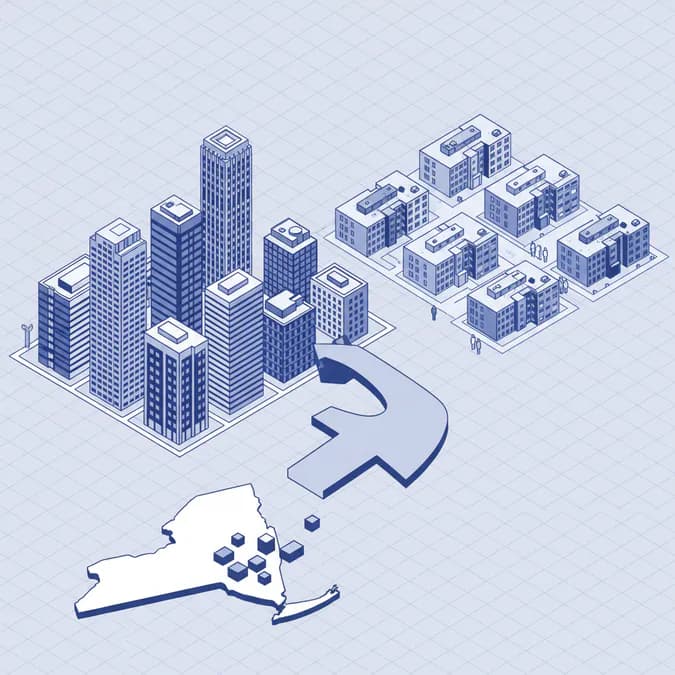
New York is at risk of losing electoral votes in 2030 due to significant housing development disparities. These disparities, which refer to the differences in housing construction rates between states, are crucial as they directly impact population growth and, consequently, political representation. Understanding the implications of these disparities is essential for grasping the future of electoral representation in New York.
Electoral Vote Implications of Housing Development Disparities

The upcoming 2030 census is set to reshape the electoral map of the United States. New York may lose electoral votes due to its stagnant housing development. As population growth is closely tied to housing availability, states that fail to build sufficient housing may see a decline in their representation in Congress. This situation is particularly concerning for New York, which has historically been a populous state. According to experts, "The housing development disparities between states can significantly influence political representation and resource allocation." This statement highlights the critical nature of addressing these disparities.
Housing Development Trends in Red and Blue States
Recent reports indicate that red states are outpacing blue states in housing construction. For instance, states like Texas and Florida have implemented policies that encourage rapid development, resulting in a significant increase in available housing units. In contrast, blue states such as New York have faced regulatory hurdles and community resistance that have slowed down their housing projects. As noted by

- Red states are reportedly building more housing than blue states.
- Texas and Florida are leading in new housing developments.
- New York's stringent regulations hinder rapid construction.
Comparative Analysis of Housing Development Disparities
The disparity in housing development between red and blue states is stark. According to a recent analysis, red states have adopted more flexible zoning laws and streamlined permitting processes, which facilitate quicker construction timelines. Conversely, blue states often have more complex regulations that can delay projects for years. A report from the Urban Institute highlights that "the ability to adapt housing policies quickly is vital for accommodating population growth and ensuring electoral representation." This adaptability is essential for states like New York to maintain their electoral power.
- Red states often prioritize economic growth through housing development.
- Blue states face challenges such as community opposition and environmental regulations.
- Population growth in red states is directly linked to their housing policies.
As a result, the population in red states continues to rise, while blue states like New York may see stagnation or even decline, impacting their electoral representation. The implications of these housing development disparities extend beyond mere numbers; they affect the very fabric of political representation.
Frequently Asked Questions
What are housing development disparities?
Housing development disparities refer to the differences in the rate and volume of housing construction between different states, often influenced by regulatory environments and economic policies. These disparities can lead to significant differences in population growth and electoral representation.
How do housing development disparities affect electoral votes?
States with higher population growth due to effective housing development may gain electoral votes, while those with stagnation, like New York, risk losing representation. This dynamic underscores the importance of addressing housing policies to ensure fair representation.
What can be done to address housing development disparities?
Addressing these disparities requires reforming zoning laws, reducing regulatory hurdles, and fostering community support for new housing projects. By implementing these changes, states can better align housing development with population growth needs.
In conclusion, the housing development disparities between red and blue states have significant implications for electoral representation. New York's potential loss of electoral votes in 2030 serves as a crucial reminder of the importance of addressing housing policy and development strategies to ensure adequate representation in Congress. The future of New York's electoral power hinges on its ability to overcome these housing development disparities.