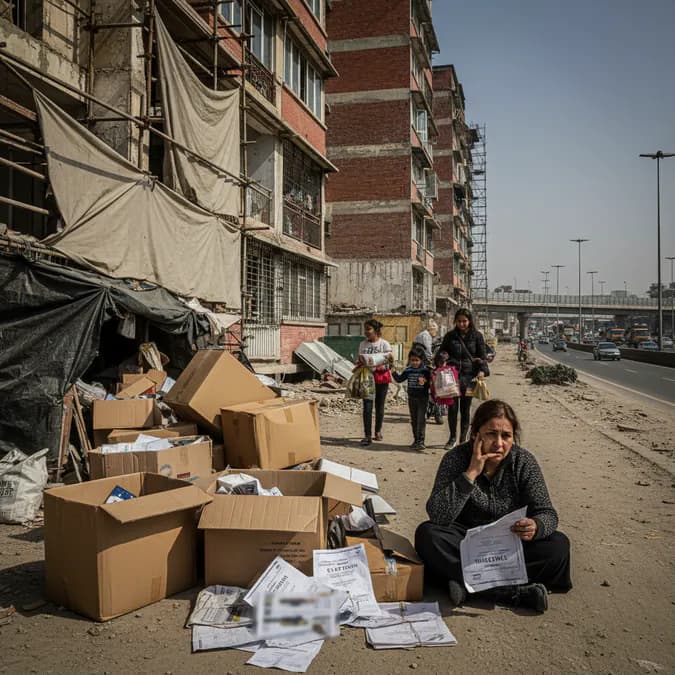
Githurai Traders Eviction: 10 Essential Insights Amid Thika Road Expansion

The Githurai traders eviction is a pressing issue as traders resist eviction notices due to the Thika Road expansion. This situation raises significant concerns about their livelihoods and the broader implications for urban development. This article delves into the various aspects of the Githurai traders eviction, highlighting its impact on local businesses and community rights.
Key Takeaways
The Githurai traders eviction is a contentious issue tied to the Thika Road expansion project. Local traders are fighting against eviction notices, fearing for their livelihoods and community identity. This article explores the implications for local businesses and urban development.
Background of Thika Road Expansion
The Thika Road expansion project is a crucial initiative by the Kenya National Highways Authority (KeNHA) aimed at improving infrastructure and traffic flow in the region. This expansion is designed to enhance connectivity and facilitate the construction of new bus bays along the road. However, this project has necessitated the eviction of roadside traders who have established their businesses along the route, leading to significant community unrest.
Impact on Local Traders
Local traders in Githurai have expressed deep concerns regarding the eviction notices they have received. Many of these traders rely on their businesses for their livelihoods, and the forced relocation could lead to significant financial hardship. Reports indicate that KeNHA has given traders a mere seven days to vacate the premises, which many see as insufficient time to find alternative locations or adjust their operations.
- Loss of income for traders who may not find new locations quickly.
- Disruption of established customer bases that have developed over years.
- Potential increase in unemployment rates in the local community.
Community Resistance and Concerns
In response to the eviction notices, Githurai traders have vowed to defy the orders, citing their rights to operate their businesses. The community's resistance is fueled by fears that the expansion will not only displace them but also lead to a loss of cultural and social identity tied to their businesses. Local leaders have also voiced their support for the traders, emphasizing the need for dialogue between the government and the affected parties.
Urban Development Challenges
This situation highlights the broader challenges of urban development in Kenya. While infrastructure improvements are essential for economic growth, they often come at the expense of local businesses and communities. The conflict between development goals and the rights of local traders raises important questions about how urban planning is conducted in rapidly growing areas like Githurai.
As urban areas continue to expand, it is crucial for authorities to consider the needs of all stakeholders involved. Effective communication and planning can help mitigate conflicts and ensure that development benefits the community as a whole.
In conclusion, the ongoing situation in Githurai serves as a reminder of the delicate balance between urban development and community rights. As traders stand firm against eviction, their plight underscores the need for more inclusive planning processes that take into account the voices of local businesses.
Frequently Asked Questions
1. What is the reason for the Githurai traders eviction?
The Githurai traders eviction is linked to the Thika Road expansion project, which requires the removal of roadside businesses to facilitate infrastructure improvements.
2. How long do traders have to vacate their premises?
Traders have been given a notice period of seven days to vacate their premises, which many consider insufficient.
3. What are the implications of the eviction for local businesses?
The eviction could lead to significant financial hardship for traders, loss of customer bases, and increased unemployment in the community.