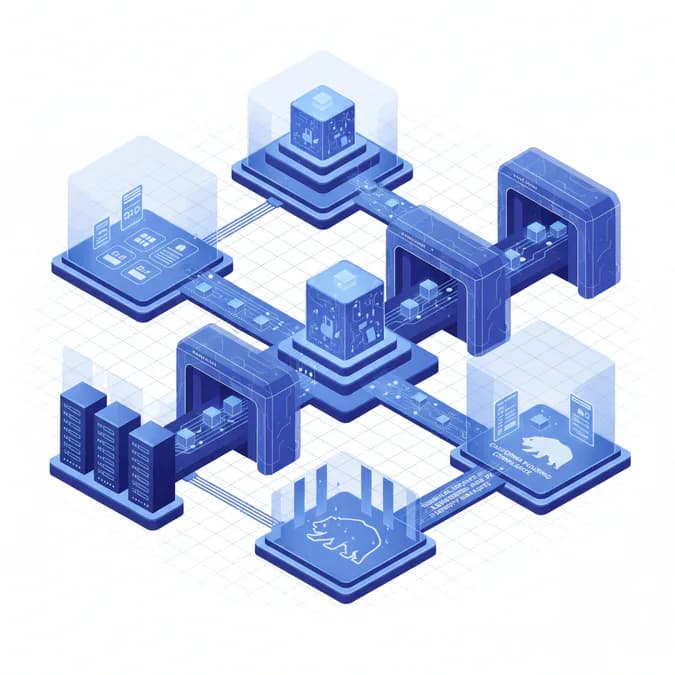
Introduction to 2026 California Housing Compliance
California's rental housing landscape continues to evolve with new laws and compliance requirements. The California Apartment Association has released comprehensive 2026 compliance forms that reflect the latest state housing legislation, introducing significant changes that affect how landlords and property managers operate. These updates address critical areas inc

The 2026 compliance package represents a major undertaking, with more than 100 California rental housing forms and related documents updated or released. This comprehensive rollout includes revised agreements, notices, addenda, and instructions designed to help landlords implement new requirements using standardized, California-specific tools. According to the California Apartment Association, "These updates are designed to help rental housing providers implement new requirements using standardized, California-specific tools." [California Apartment Association]
The updates reflect four major California rental-law changes that have significantly impacted the housing industry: AB 628, AB 414, AB 1414, and AB 1529. Industry summaries repeatedly identify these bills as among the most consequential updates for landlords and property managers. [Apartment Association of California Southern Cities]
Key Changes in the 2026 Compliance Forms
The new 2026 compliance forms address several critical areas that directly impact rental housing operations. One of the most significant additions involves habitability standards. The updated forms now include guidance related to a stove-and-refrigerator habitability requirement, reflecting SB 628's mandate that rental housing providers supply and maintain a stove and refrigerator, subject to certain exceptions. This represents an expansion of what landlords must provide to maintain compliant rental units.
Habitability Standards and Appliance Requirements
The addition of stove and refrigerator requirements to habitability standards marks a significant shift in California's approach to rental housing quality. The California Apartment Association's updated habitability guidance reflects SB 628's requirement that rental housing providers supply and maintain these essential appliances. This is not a minor administrative change—it directly affects the physical condition and cost of maintaining rental properties.
Landlords must now ensure that rental units include functioning stoves and refrigerators, with limited exceptions. The updated compliance forms provide guidance on what constitutes acceptable appliances, maintenance standards, and procedures for addressing tenant complaints about appliance functionality. Property managers need to update their maintenance procedures and lease language to address these requirements explicitly.
Social Security Payment Delay Protections
Another major focus of the 2026 updates involves tenant protections tied to Social Security payment delays. These new protections ensure that tenants experiencing interruptions in Social Security benefits receive appropriate consideration and notice from their landlords. The compliance forms now include standardized language and procedures to address these situations, helping landlords navigate this sensitive area while protecting tenant rights.
Bulk Internet Opt-Out Rights
The forms also address tenant opt-out rights for certain bulk internet arrangements. This update reflects growing consumer concerns about bundled services and ensures tenants have clear options to decline internet services if they prefer alternative providers. The new language in the compliance forms makes these opt-out procedures transparent and straightforward.
Tenant Protection Act Exemption Notices
Additionally, some forms were revised to support notice requirements for owners claiming exemptions under the Tenant Protection Act. This includes updated language in standard residential agreements that clearly communicate exemption claims and subject notices as required by AB 1529. The Apartment Association of California Southern Cities specifically highlighted that its Standard Residential Agreement now includes the required exemption and subject notice language. [Apartment Association of California Southern Cities]
Tenant Protections Regarding Social Security Payment Delays
One of the most important updates in the 2026 compliance forms addresses tenant protections when Social Security payments are delayed or interrupted. These protections recognize that many tenants, particularly seniors and disabled individuals, rely on Social Security as their primary income source. When payment delays occur, tenants may struggle to pay rent on time, and landlords need clear procedures for handling these situations fairly and legally.
The updated compliance forms provide standardized language that allows landlords to acknowledge Social Security payment delays while maintaining their right to collect rent. The forms ensure that both parties understand their obligations and rights during these temporary payment interruptions. This approach protects tenants from immediate eviction while protecting landlords' legitimate interests in collecting rent.
Implementation Requirements
Implementing these protections requires landlords to update their lease templates and notice procedures. The California Apartment Association recommends that landlords review the new forms carefully and begin using the applicable documents in their rental agreements and related transactions. This ensures consistency across all tenant interactions and reduces the risk of non-compliance.
Property managers should establish clear procedures for:
- Identifying when a tenant is experiencing Social Security payment delays
- Providing appropriate notice to tenants about their rights and obligations
- Documenting communications about payment delays
- Establishing payment plans or alternative arrangements when appropriate
- Maintaining records of how delays were resolved
Tenant Opt-Out Rights for Bulk Internet Arrangements
Bulk internet arrangements have become increasingly common in apartment complexes and rental communities, but tenants don't always want to participate in these bundled services. The 2026 compliance forms now clearly establish tenant opt-out rights for certain bulk internet arrangements, giving renters the ability to decline the service and arrange their own internet provider if they prefer.
Transparency and Consumer Choice
These opt-out provisions are particularly important because they address transparency and consumer choice. Tenants must receive clear notice of their right to opt out, understand any associated fees or service changes, and have a straightforward process for exercising this right. The updated forms provide standardized language that meets these requirements while protecting landlords from disputes about whether proper notice was given.
Operational Procedures
For property managers, implementing these opt-out procedures means updating lease addenda, creating clear opt-out request forms, and establishing procedures for processing requests. The compliance forms provide templates and instructions for these processes, reducing the need for custom legal drafting and ensuring consistency with state requirements.
Key operational steps include:
- Providing written notice of bulk internet service and opt-out rights at lease signing
- Creating a simple opt-out request process that tenants can easily understand and use
- Processing opt-out requests promptly and documenting the process
- Adjusting rent or fees appropriately when tenants opt out of internet service
- Maintaining clear records of which tenants have opted out and when
Practical Implications for Rental Housing Providers
The 2026 compliance updates have far-reaching practical implications for how landlords and property managers conduct business. These changes affect multiple aspects of rental housing operations, from initial lease signing through move-out procedures.
Updating Lease Templates and Documents
First, landlords must update their lease templates and related documents. Using outdated forms creates legal exposure and may result in unenforceable lease provisions. The California Apartment Association strongly advises that landlords update lease templates, notices, and internal procedures before using older forms. This is not optional—it's essential for maintaining legal compliance.
The update process should include:
- Reviewing all current lease templates against the 2026 compliance forms
- Identifying which provisions need to be updated or added
- Replacing outdated language with California Apartment Association-approved language
- Having legal counsel review updated documents before implementation
- Creating a transition plan for existing tenants
Tenant Onboarding and Move-In Procedures
Second, the updates affect tenant onboarding procedures. New tenants must receive updated lease agreements that include all required disclosures and notices. This means property managers need to revise their move-in checklists and tenant orientation procedures to ensure all new documentation is properly executed and explained.
Lease Renewal Processes
Third, lease renewals require attention to the new compliance requirements. When existing tenants renew their leases, landlords should provide updated agreements that reflect the 2026 changes. This ensures consistency and prevents disputes about whether older lease terms remain valid.
Move-Out and Recordkeeping
Fourth, the updates impact move-out procedures and recordkeeping. Landlords need to maintain clear records of which lease version each tenant signed, when updates were provided, and how tenants responded to new requirements. This documentation becomes important if disputes arise about compliance with specific provisions.
Staff Training and Internal Procedures
Finally, the updates affect staff training and internal procedures. Property managers and leasing staff need to understand the new requirements and how to explain them to tenants. This includes understanding the habitability standards, Social Security payment delay procedures, and bulk internet opt-out processes.
Effective staff training should cover:
- Overview of the four major bills (AB 628, AB 414, AB 1414, AB 1529) and their requirements
- Specific procedures for handling Social Security payment delays
- How to explain bulk internet opt-out rights to tenants
- Habitability standards and appliance maintenance requirements
- Documentation and recordkeeping procedures
- How to respond to tenant questions about new requirements
Accessing and Implementing the 2026 Compliance Forms
The California Apartment Association has made the 2026 compliance forms readily available through its forms portal. Landlords and property managers can access these materials through the CAA's Forms page, which aggregates the latest 2026 compliance forms and Industry Insight documents. The portal includes not just the forms themselves but also instructions and guidance for proper implementation. [California Apartment Association]
The Apartment Association of California Southern Cities also provides updated compliance materials, including the revised Standard Residential Agreement with the required exemption and subject notice language. Regional apartment associations often provide additional guidance tailored to specific areas of California, which can be valuable for understanding local implementation issues.
Best Practices for Implementation
When implementing these forms, landlords should consider several best practices:
- Review all applicable forms carefully to understand which ones apply to your specific rental situation. Not every form applies to every landlord, and using unnecessary forms can create confusion.
- Consult with legal counsel if you have questions about how to apply the new requirements to your specific circumstances.
- Communicate clearly with tenants about any changes to lease terms or procedures.
- Train all staff members who interact with tenants on the new requirements and procedures.
- Document your compliance efforts by maintaining records of when forms were updated, which tenants received new documents, and how they responded.
The Bottom Line
The 2026 California housing compliance updates represent significant changes that affect how landlords and property managers operate. With more than 100 forms and documents updated or released, the California Apartment Association has provided comprehensive tools to help housing providers comply with new state laws. The updates address critical areas including habitability standards, tenant protections for Social Security delays, bulk internet opt-out rights, and exemption notice requirements.
For rental housing providers, the practical message is clear: update your forms, train your staff, and implement new procedures before they become legally required. The California Apartment Association's 2026 compliance package provides the standardized tools needed to do this effectively. By taking action now, landlords can ensure legal compliance, reduce liability, and maintain positive relationships with tenants. The investment in updating compliance procedures pays dividends in reduced legal risk and smoother operations.
As the Apartment Association of California Southern Cities noted, "We encourage members to review the updates and begin using the applicable forms in their rental agreements and related transactions." [Apartment Association of California Southern Cities] This guidance applies to all rental housing providers in California, regardless of whether they are association members. The 2026 compliance updates are not optional—they represent the current legal requirements for rental housing in California.
Sources
- Automated Pipeline
- California Apartment Association - Forms
- Apartment Association of California Southern Cities - New Compliance Forms Now Available
- California Legislative Information - AB 628
- Source: youtube.com
- Source: mesaproperties.net
- Source: aaoc.com
- Source: jamico.com
- Source: marinacciolaw.com
- Source: alleastbayproperties.com
- Source: treasurer.ca.gov